Quick summary
Summarize this blog with AI

In the rapidly evolving field of data analysis, professionals are constantly seeking ways to extract valuable insights from complex datasets.
With the increasing complexity and volume of data, data scientists and analysts often face challenges in managing and analyzing information efficiently.
However, the advent of artificial intelligence (AI) has revolutionized the way data analysis is conducted.
AI-powered tools are now indispensable assets for professionals looking to streamline their workflow, automate tasks, and enhance productivity. In this article, we will explore the top AI tools that can boost your productivity in 2023 as a Data Scientist.
Need to finish your analytics in a hurry? Check out skills.ai’s AI co-pilot for data analytics: charts, insights and KPIs in seconds.
1. Google Cloud AutoML
Link: Google Cloud AutoML
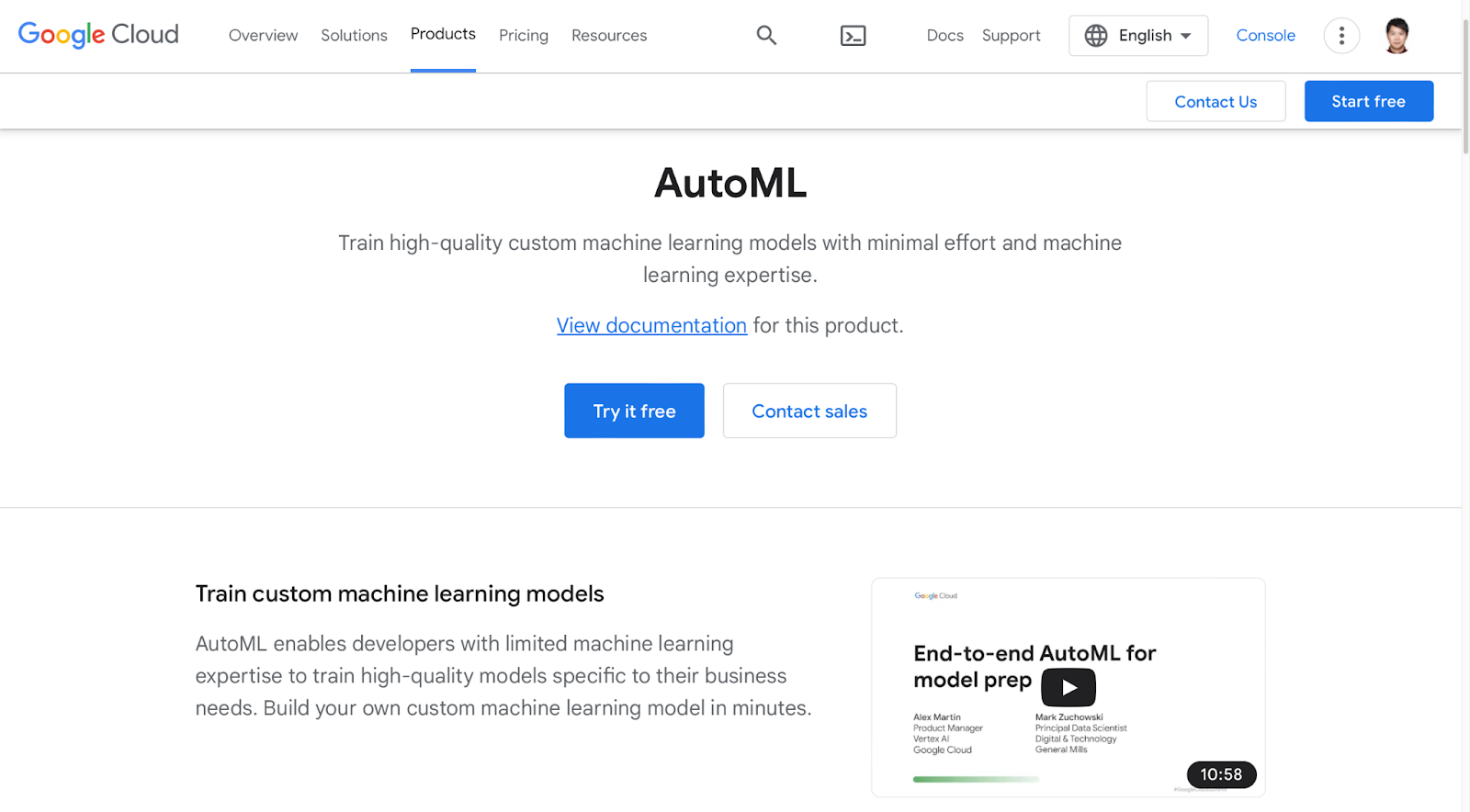
A strong AI tool that makes it easier to create machine learning models is Google Cloud AutoML.
To address various facets of the data analysis process, it offers a variety of features and functionalities. A complete toolkit for end-to-end data analysis is provided by Google Cloud AutoML,
ranging from data extraction and cleansing through exploratory analysis and predictive modeling.
With its intuitive interface and support for multiple programming languages, users can interact with data, perform complex computations, and visualize results effectively.
2. Teachable Machine by Google
Link: Teachable Machine
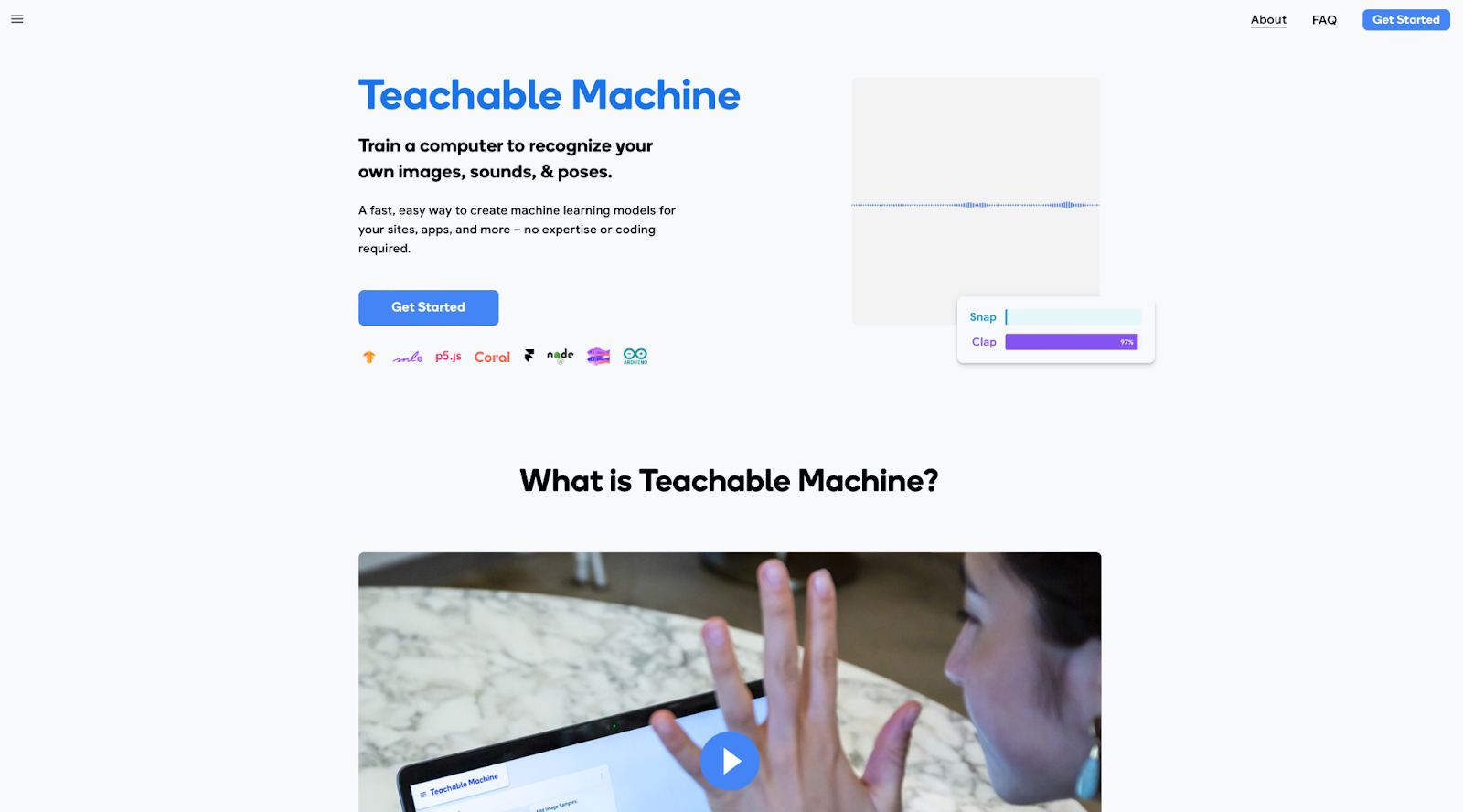
Teachable Machine by Google is a user-friendly tool that allows you to train machine learning models to recognize images, sounds, and poses.
With just a computer, webcam, and your imagination, you can teach a machine to identify gestures, dances, or other visual and auditory cues.
The generated models can be easily exported and integrated into apps, websites, and devices, fostering innovation in AI.
It’s web-based, requiring no software installation, and it’s completely free with no hidden fees. While it may have limited customization options, making it beginner-friendly
Overall Teachable Machine by Google is an excellent platform for unleashing creativity and exploring the possibilities of machine learning.
3. ChatGPT for Data Scientists

Link: ChatGPT
ChatGPT, developed by OpenAI and Microsoft, is an AI-powered natural language processing tool that enables data scientists and analysts to generate text-based responses in human language.
It can assist with exploratory data analysis by providing quick summaries, insights, and visualizations on the dataset.
Secondly, it can offer guidance in data preprocessing tasks, such as data cleaning, missing value imputation, and feature engineering and ChatGPT can also help with model selection and hyperparameter tuning, discussing different algorithms and suggesting appropriate parameter values.
4. Bard AI — Google’s Alternative to ChatGPT
Link: Bard Ai
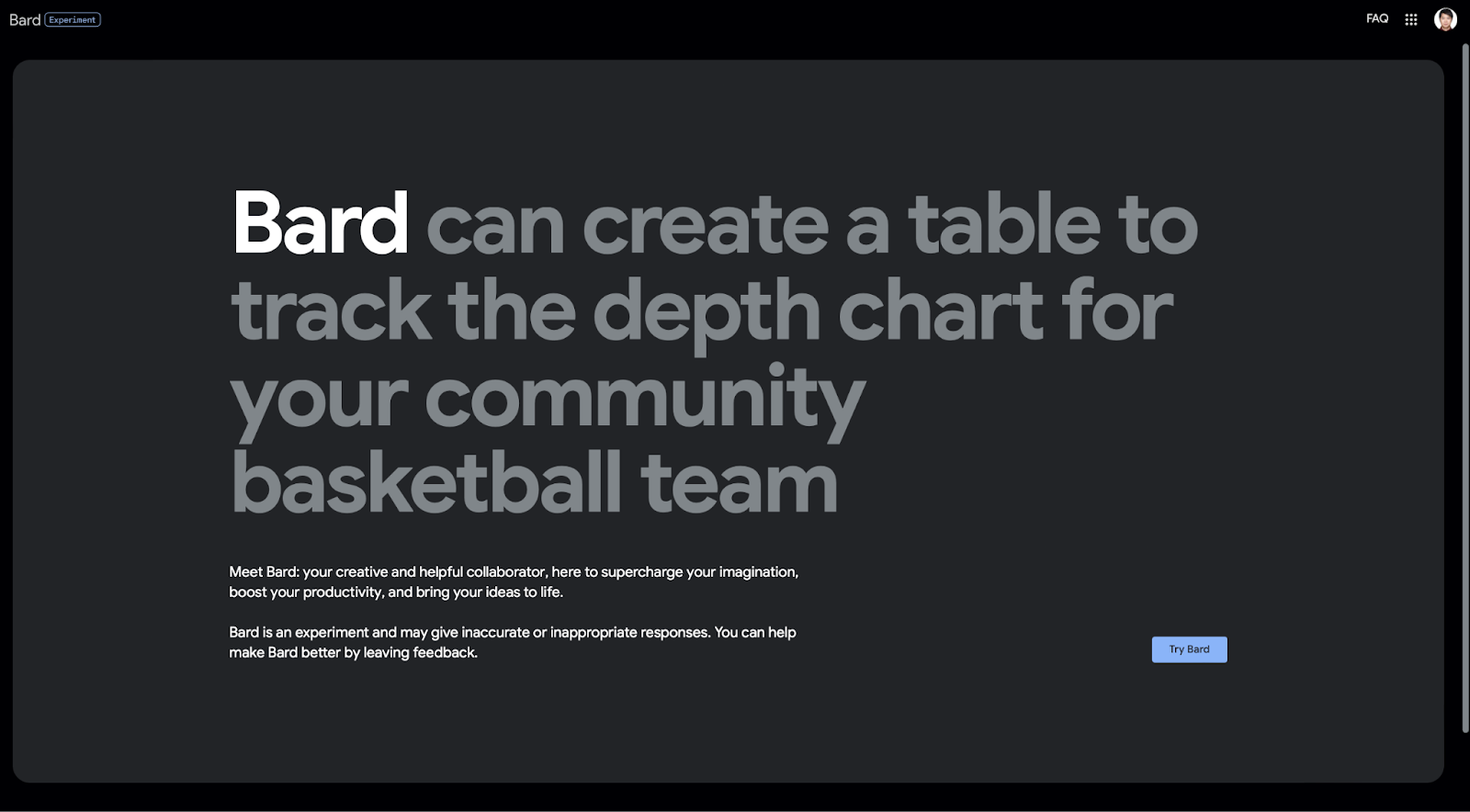
In response to the success of ChatGPT, Google has introduced Bard AI, powered by its language model LaMDA.
While Bard AI is still in its early stages and not yet optimized for coding tasks, it shows promise in rivaling ChatGPT.
Bard AI serves as a versatile virtual assistant, providing insights, suggestions, and automation to enhance productivity and decision-making.
As improvements are expected in the near future, Bard AI may become a strong contender in the field of data science
5. Hugging Face — Democratizing AI with Pre-trained Models
Link: Hugging Face
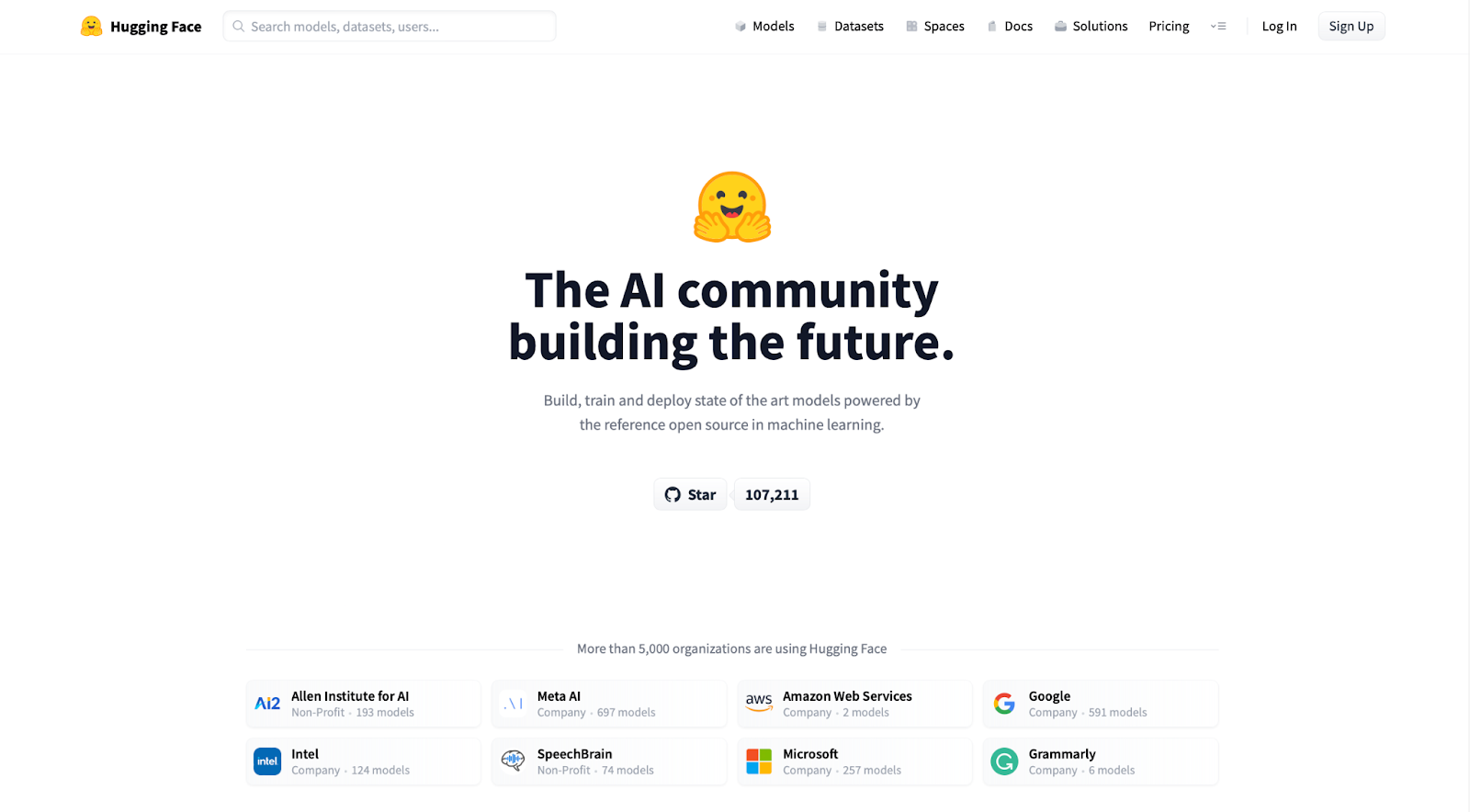
Hugging Face is a community and platform for artificial intelligence (AI) that aspires to democratize AI by giving data professionals access to over 170,000 pre-trained models built on modern transformer architecture.
With its extensive collection of pre-trained models and layered APIs, Hugging Face allows data professionals to interact with models, perform inference, and leverage world-class AI libraries like PyTorch and TensorFlow.
This accessibility eliminates the need for extensive training and costly computational resources.
6. GitHub Copilot — Revolutionizing Coding Assistance
Link: GitHub Copilot
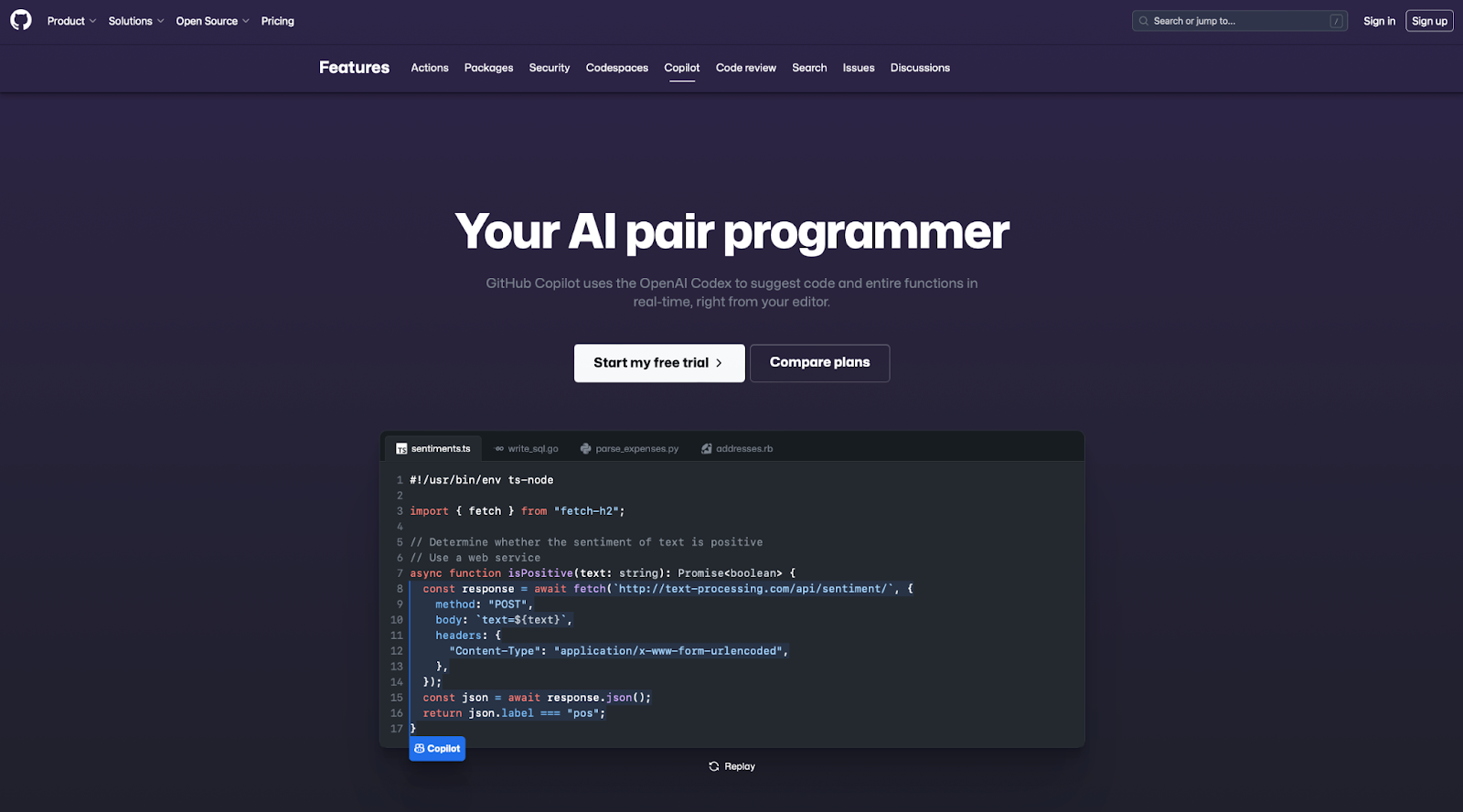
GitHub Copilot is an AI-powered programming assistant that provides autocomplete suggestions for coders.
Built on top of the OpenAI Codex model, Copilot can generate code based on natural language prompts or assist while writing code. With its support for multiple programming languages,
GitHub Copilot opens up new possibilities in programming and eliminates the need for extensive coding knowledge.
7. DataCamp Workspace AI — Enhancing Data Science Notebooks

Link: DataCamp Workspace AI
DataCamp Workspace AI is an AI assistant integrated into the popular data science notebook, Workspace.
Designed with data democratization in mind, Workspace AI offers features like “Fix Error” and “Generate Code” to enhance productivity for data scientists.
By providing intelligent suggestions and explanations for code errors, Workspace AI empowers users to learn and avoid repeating mistakes.
It seamlessly integrates into the data scientist’s tooling stack, making data analysis more accessible and efficient.
8. Scikit Learn — A Versatile ML Library
Link: Scikit Learn
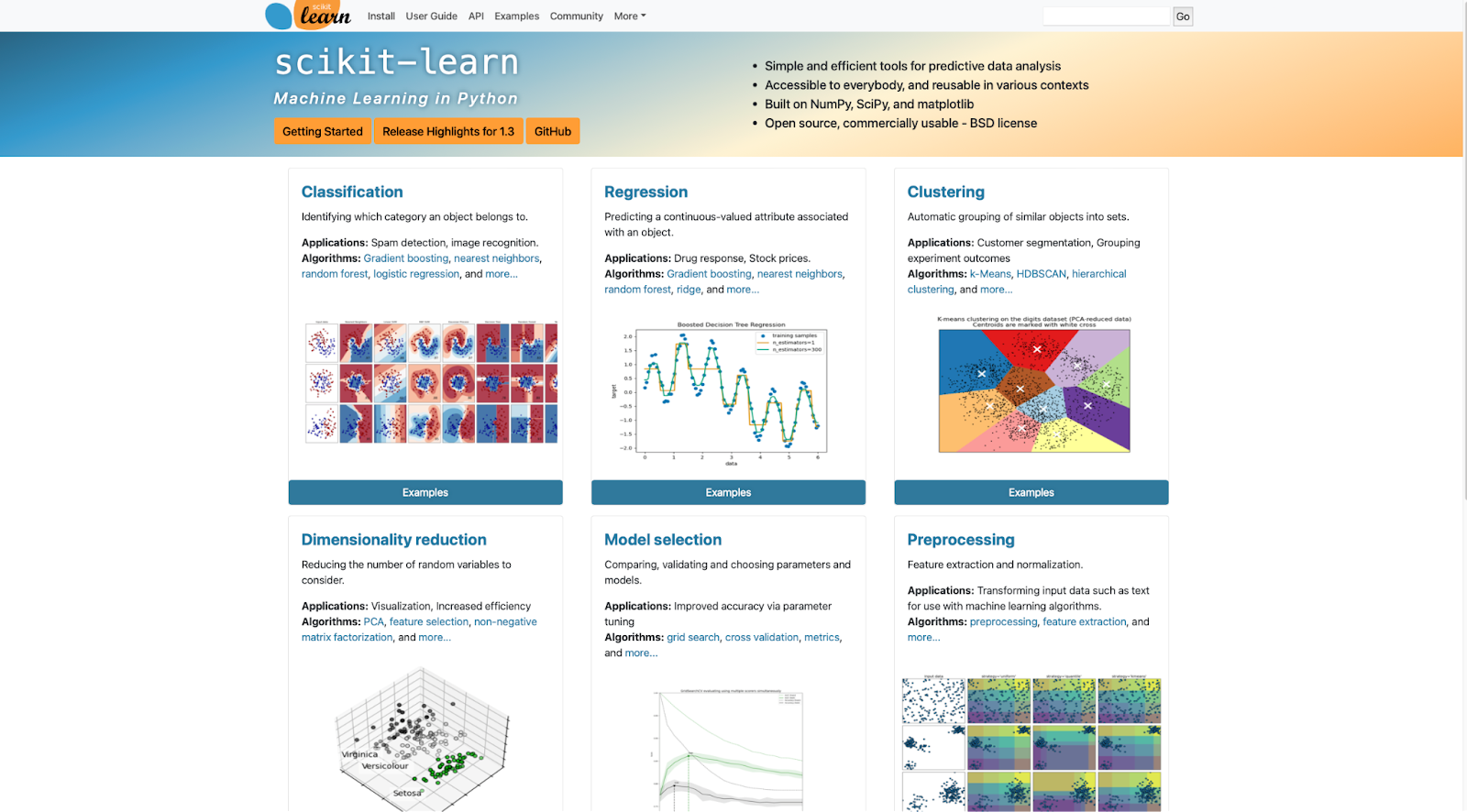
Scikit Learn is a widely used machine learning library that supports numerous supervised and unsupervised learning algorithms.
From decision trees to linear and logistic regression, clustering, and more, Scikit Learn offers a comprehensive range of algorithms for data analysis.
Its user-friendly interface and extensive documentation make it a popular choice among data scientists.
9. AutoML — Automating Model Selection and Hyperparameter Tuning

Link: AutoML
AutoML is an emerging trend in the field of data analysis, where AI-powered tools automate the process of model selection and hyperparameter tuning.
Thus tool analyze the data, select the best model architecture, and optimize hyperparameters to achieve optimal performance.
By automating these time-consuming tasks, AutoML enables data scientists to focus on higher-level analysis and decision-making.
10. skills.ai: AI Analytics Co-pilot
Link: skills.ai
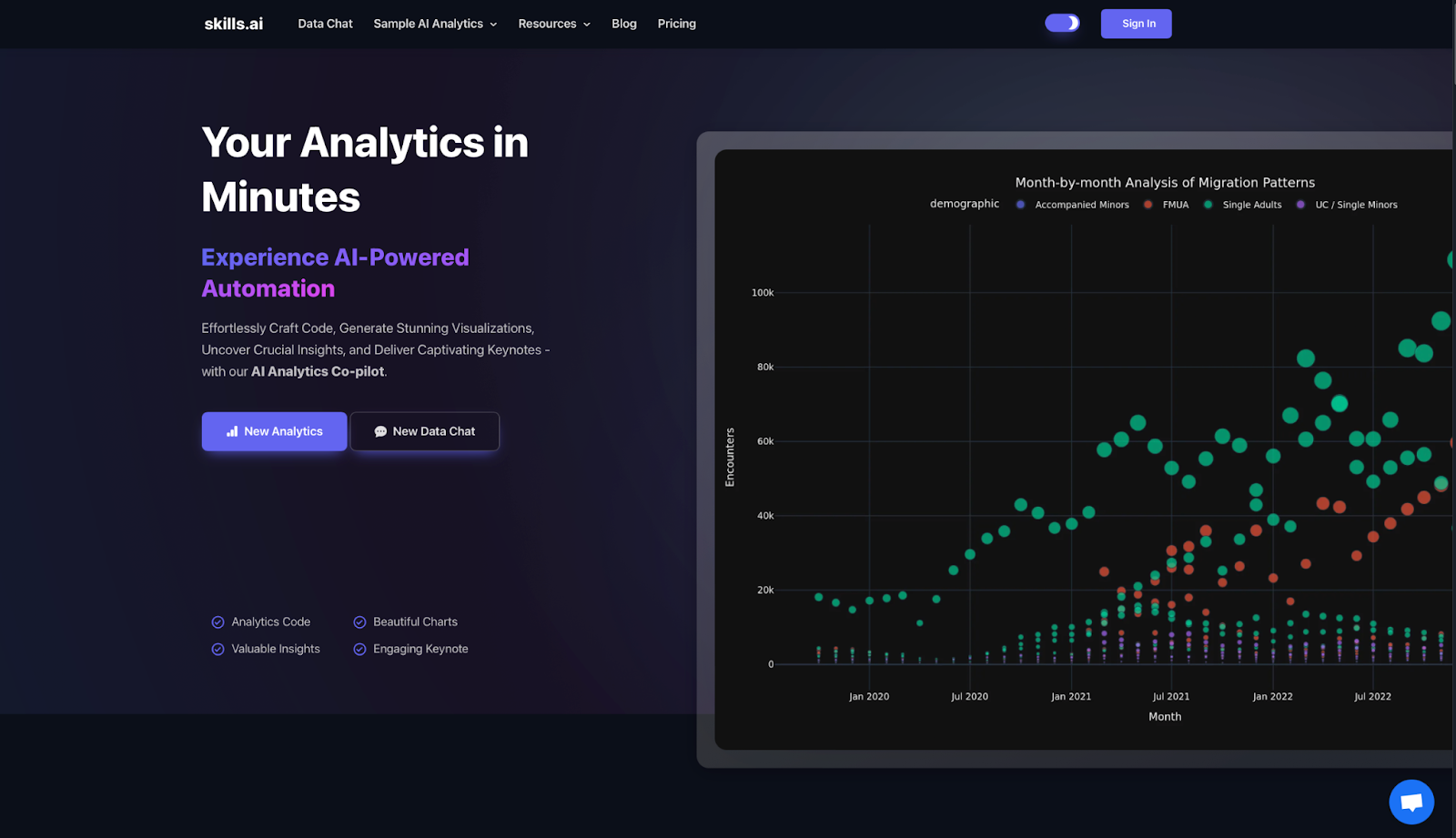
Skills.ai is a sophisticated no-code data analytics tool that leverages the power of artificial intelligence to simplify and enhance the data analysis process.
With its advanced AI capabilities, Skills.ai empowers users to analyze and visualize their data efficiently, without the need for complex coding or data manipulation.
Offering automated coding and seamless in-browser code execution, while its advanced natural language processing (NLP) capabilities ensure easy and intuitive data querying.
Catering to marketers’ needs, it provides ready-to-use deliverables like reports and keynote slides and
with a diverse library of visualization options and customizable features, it enables users to create professional reports and presentations effortlessly.
Conclusion
As Data Science continues to be transformed by AI-powered tools, these tools have become essential for professionals seeking to enhance productivity, automate tasks, and extract valuable insights from complex datasets.
From natural language processing tools like ChatGPT and Bard AI to data analytics tools like Skills.ai, these tools offer a wide range of capabilities to enhance productivity and streamline workflows.
By incorporating these AI tools into your workflow, data professionals can unlock the full potential of their datasets and make informed decisions in an increasingly data-driven world.
Need to finish your analytics in a hurry? Check out skills.ai’s AI co-pilot for data analytics: charts, insights and KPIs in seconds.